|
 |
Medicare Crisis Spur |
|
| At the same time that corporations are transforming themselves to deal with the threats and opportunities posed by the growing elder population, politicians and social planners are fretting over the problems they fear that this demographic tidal wave will create for pensions and for the healthcare system. |
|
|
 |
It"s Time to Re |
|
| For the past two decades, the editors of Trends have been explaining why the traditional concept of retirement is destined to vanish by the second decade of the 21st century. This is becoming increasingly evident. The Bureau of Labor Statistics foresees a shortfall of 10 million workers in the United States by 2010. Let"s look at how society and business will have to change for the coming new era. |
|
|
 |
Elder-Care Becomes a |
|
| In addition to the retrained older workers who will remain in the workforce, there will also be growing numbers of even older people, in their 80s and 90s, who will no longer be able to work or even care for themselves. |
|
|
 |
Where the Jobs Will |
|
| Despite all the headlines about layoffs and lost jobs, the reality is that there is no shortage of jobs in America. In fact, the U.S. Bureau of Labor Statistics predicts there will be 10 million more jobs than workers by the end of this decade. |
|
|
 |
The Temp-Nation of A |
|
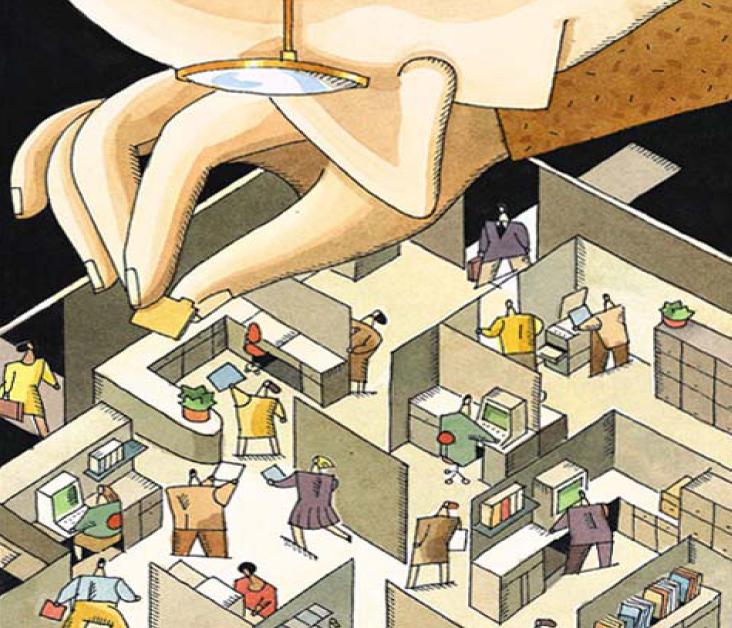
| An increasing portion of the labor market is characterized by what many observers call ��쐉ust-in-time employment.��� This sector of the labor market is more commonly known as the contingent labor market, consisting of temporary and contract employees. |
|
|


 [428]권

