

| 국내서 북써머리 | [648,673]권 읽음 | |
|---|---|---|
| 해외서 프리뷰 | [0]권 읽음 | |
| 글로벌 트렌드 | [2]권 읽음 | |
| 미디어 브리핑스 | [680]권 읽음 |
 [75]권
[75]권 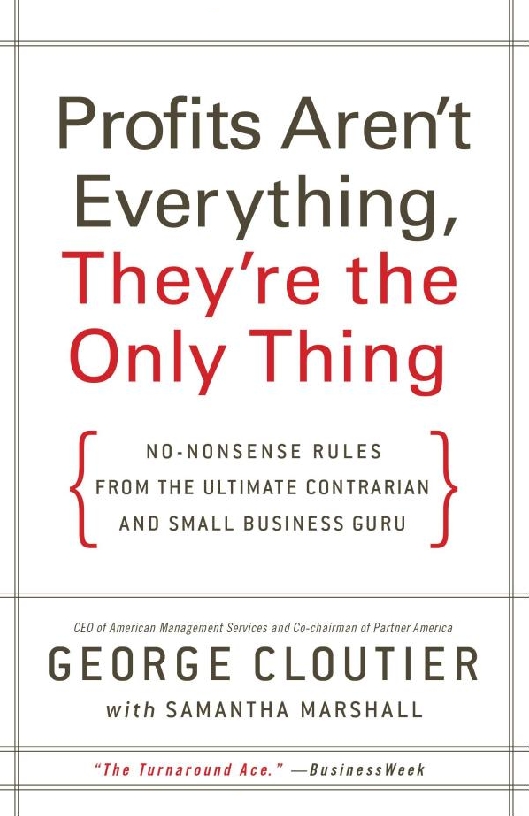 |
Profits Aren"t |  |
| 저자 | George Cloutier | ||
| 출판사 | HarperBusiness | ||
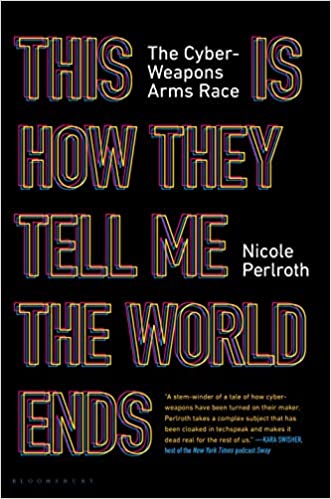 |
This Is How They Tel | |
| 저자 | Nicole Perlroth | ||
| 출판사 | Bloomsbury Publishing | ||
 |
Super Crunchers | |
| 저자 | Ian Ayres | ||
| 출판사 | Bantams | ||
 |
[RH] �댉怨� �끃吏�, 洹몃━怨� �깮�궛�꽦�쓽 | |
| 吏곸옣�뿉�꽌�쓽 �뒪�듃�젅�뒪�뒗 �꽭怨꾩쟻�씤 怨듦났 蹂닿굔 臾몄젣媛� �릺�뿀�떎. �뒪�듃�젅�뒪媛� �젙�떊�쟻, �쑁泥댁쟻 嫄닿컯�뿉 誘몄튂�뒗 �쁺�뼢��� �깮�궛�꽦�쓣 ����븯�떆�궎怨� 寃쎌젣�쟻 �넀�떎�쓣 珥덈옒�븳�떎. �떎�뻾�뒪�읇寃뚮룄 ��섑띁釉붾┃ �뿬�뒪 �씤 �봽�옓�떚�뒪(Public Health in Practice)��� ����꼸�뿉 諛쒗몴�맂 �깉濡쒖슫 �뿰援ъ뿉 �뵲瑜대㈃ �댉�씠�굹 �끃吏��뿉�꽌 �젙湲곗쟻�쑝濡� �궛梨낆쓣 �븯�뒗 �궗�엺�뱾�씠 �뒪�듃�젅�뒪 ���泥� �뒫�젰�씠 �뜑 �넂�쓣 �닔 �엳�뒗 寃껋쑝濡� �굹����궗�떎. | ||
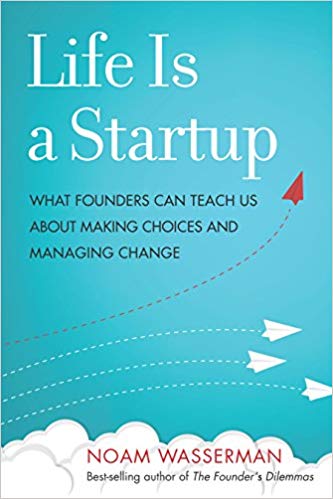 |
Life Is a Startup | |
| 저자 | Noam Wasserman | ||
| 출판사 | Stanford Business Books | ||

