|
 |
Home Automation and |
|
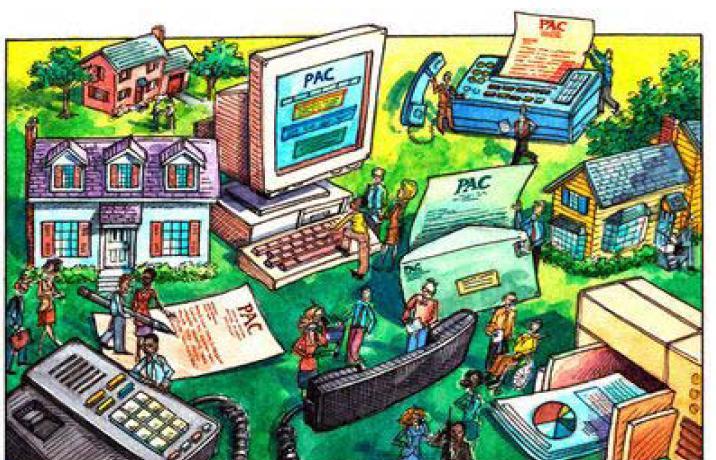
| During the PC era, the nexus of info-tech innovation was business, especially in the office. As we enter ��쐔he post-PC era,��� the nexus of innovation is shifting to the consumer, especially in the home. And this digital home is where most technological innovation will occur over the next five years in the $101 billion consumer electronics industry. |
|
|
 |
Strategy in the Era |
|
| Over the past 250 years, the pace of change has increased at an increasingly rapid rate. Few enterprises are able to offer lifetime employment anymore; not because they don��셳 want to, but because they usually don��셳 survive long enough. |
|
|
 |
Genetic Algorithms A |
|
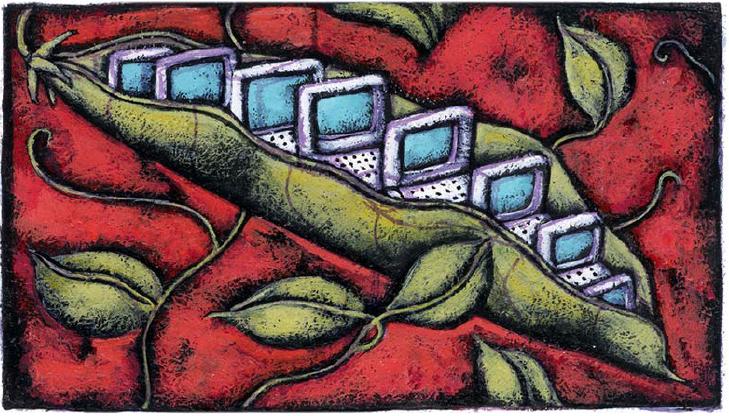
| A significant challenge in managing today��셲 enterprise is quickly and effectively choosing among a large number of complex options and alternatives with subtle trade-offs. Fortunately, new computer applications using genetic algorithms can do a much better job at making these choices than a person using traditional analytical techniques. |
|
|
 |
Companies Learn and |
|
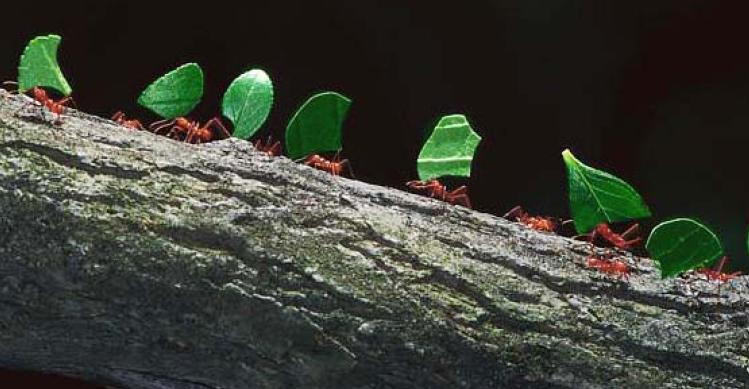
| Most organisms behave like complex adaptive systems. As their parts sense and respond to conditions outside the system that constantly change, each part interacts with and influences the other parts in the system. Ultimately, this yields new patterns of behavior for the overall system. |
|
|
 |
Companies Become Sel |
|
| As firms develop a peripheral nervous system composed of sensors and a central nervous system with computers that enables the firm to learn, adapt and innovate, we have to ask, ��쏦ow will those firms be organized and managed to extract the maximum value from these capabilities?��� |
|
|


 [209]권

