|
 |
The Corporation in t |
|
| 저자 | John Kay |
| 출판사 | Yale University Press |
|
 |
Inflation Remains a |
|
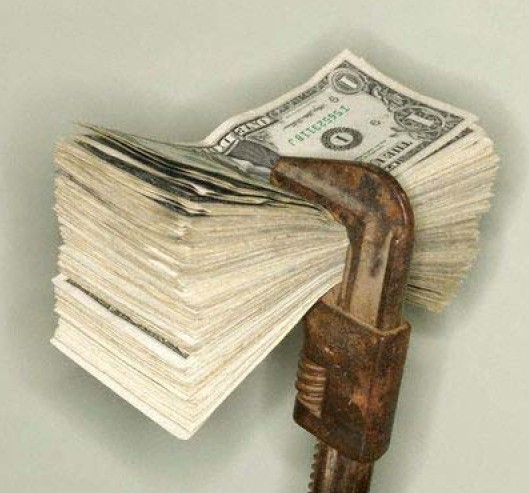
| Many Americans assume that inflation is rising. They fear that the recent increase in commodity prices will lead to higher finished goods producer prices and then higher consumer prices. This fear is intensified because people tend to notice when prices go up for products they buy most often.
As economist A. Gary Shilling points out in a recent commentary, such ��쐗idespread fears of inflation are understandable. Historically, inflation is a wartime phenomenon when government spending is huge, while deflation reigns in peacetime. Still, the nation suffered a uniquely long 60 years of war, which started with rearmament in the late 1930s, was followed by World War II, which promptly gave way to the Cold War that was augmented by the War on Poverty. So, most Americans have never experienced anything but inflation, which they believe is the way God made the world.��� |
|
|
 |
�뼇�옄而댄벂�똿 ����쟾: 湲곗닠�씠 臾몃챸�쓣 �떎�떆 |
|
| �냽�룄�쓽 寃쎌웳��� �걹�궗怨�, �씠�젣 �꽭怨꾨뒗 ��섍퀎�궛�쓽 諛⑹떇��숈쓣 �넃怨� �떥�슫�떎. �뼇�옄而댄벂�똿��� �뜑 鍮좊Ⅸ 湲곌퀎媛� �븘�땲�씪, �씤媛꾩씠 �쁽�떎�쓣 �씠�빐�븯�뒗 �뼵�뼱 �옄泥대�� �떎�떆 �벐�뒗 湲곗닠�씠�떎. AI媛� �궗怨좊�� �쓨�궡�깉�떎硫�, �뼇�옄�뒗 議댁옱�쓽 踰뺤튃�쓣 怨꾩궛�븯�젮�뒗 臾몃챸�쓽 �떎�뿕�씠�떎. |
|
|
 |
Executive "Pay for P |
|
| For several years now, companies have been generously rewarding their top executives with ever-growing salaries and stock options. Option grants climbed by 20 to 40 percent per year for nearly a decade. |
|
|
 |
怨듯솴�쓣 �슦�젮�븯�뒗 �떆���, �쁽紐낇븳 �닾�옄�옄 |
|
| 怨듯솴�쓣 �슦�젮�븯�뒗 �떆���, �쁽紐낇븳 �닾�옄�옄媛� �릺�뒗 湲�
紐⑤뱺 �떆�옣 寃쎌젣�쓽 �벑�씫��� �닾�옄�옄�뱾�씠 誘몃옒�뿉 ����빐 媛�吏��뒗 ��섑빀由ъ쟻 湲곕����숈뿉 洹쇨굅�븳�떎. �씠�윭�븳 湲곕���뒗 湲곗닠�쟻 吏꾨낫, �씤援�, �떆�뒪�뀥�뿉 ����븳 �솗�떊쨌�떊猶�, �씠�젃寃� �꽭 媛�吏� 二쇱슂 �슂�씤�쑝濡� �씤�빐 諛쒖깮�븳�떎. �씤援� 諛� 湲곗닠怨� �떖由�, �솗�떊��� 留ㅼ슦 二쇨���쟻�씠怨� �솢怨〓릺湲� �돺�떎. �떆�뒪�뀥��� �뼱�뼸寃� �씠�윭�븳 �솗�떊�쓽 �쐞湲곗뿉 ���泥섑븷 �닔 �엳�쓣源�? |
|
|


 [78]권
[78]권 

