|
 |
Hey What"s That |
|
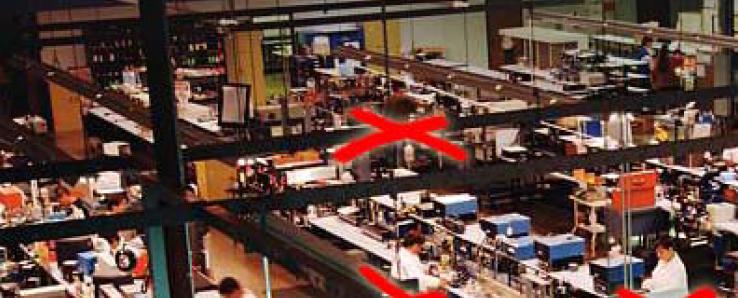
| It��셲 not the ��쐅iant sucking sound��� that Ross Perot predicted would signal the drain of millions of American jobs to Third World countries. It��셲 true that many U.S. workers in manufacturing industries have seen their jobs vanish, and that the U.S. workforce has been declining for more than three years. But the problem isn��셳 foreign competition with cheaper labor. |
|
|
 |
紐⑤컮�씪 �븷�뵆由ъ���씠�뀡 �쁺紐� �냽�쑝濡� |
|
| �궗�엺�뱾�씠 �븘�씠�뙚(iPod), �븘�씠�룿(iPhone), 釉붾옓踰좊━(Blackberry), �삉�뒗 �닔�떗 �뿬 媛쒖쓽 �떎瑜� �깉濡쒖슫 紐⑤컮�씪 �뵆�옯�뤌�뿉 愿��빐 �뼱�뼡 �씠�빞湲곕�� �븯怨� �엳�떎. �씠��� 愿��젴�맂 �깉濡쒖슫 �뾽怨꾨뒗 媛묒옄湲� 1990�뀈��� �썑諛� �씠�옒濡� 蹂댁�� 紐삵뻽�뜕 �씎遺꾧낵 �쁺�떊�쓣 �빞湲고븯怨� �엳�떎. �씠�윭�븳 �쁽�긽�씠 �슦由ъ뿉寃� �쑜�븯�뒗 諛붾뒗 臾댁뾿�씠硫�, 吏�湲� �씠�윴 �씪�씠 �씪�뼱�굹�뒗 �씠�쑀�뒗 臾댁뾿�씪源�?
|
|
|
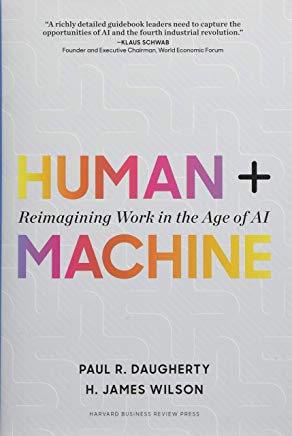 |
Human + Machine |
|
| 저자 | Paul R. Daugherty �쇅 |
| 출판사 | Harvard Business Review Press |
|
 |
Companies Rethink Ho |
|
| As the labor market tightens and skilled workers become scarce, companies are casting a wider net for employees. For the first time, they find themselves managing four generations of Americans in the workplace. The differences between these generations go beyond their age. Researchers have found that they also approach their jobs and supervisors differently, depending on their generation. |
|
|
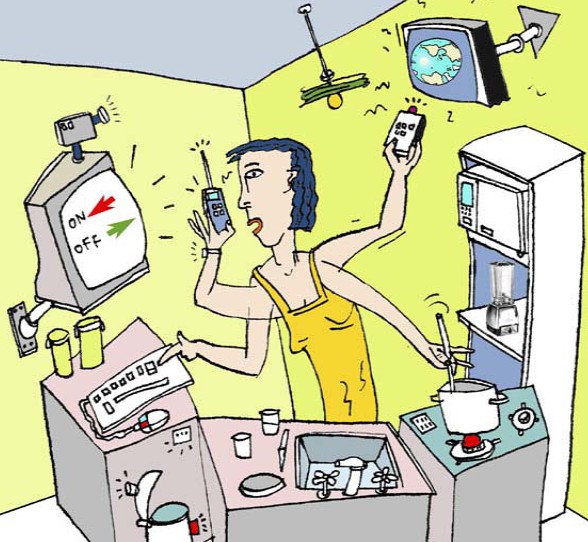 |
The Age of Watching |
|
| Back in the early 1990s, a company called Tele-TV tried to launch a new service: television programs delivered over telephone lines. The first problem was that their technology wasn��셳 ready for prime time. It was still pretty much dream-ware in 1993. |
|
|


 [64]권
[64]권 

