|
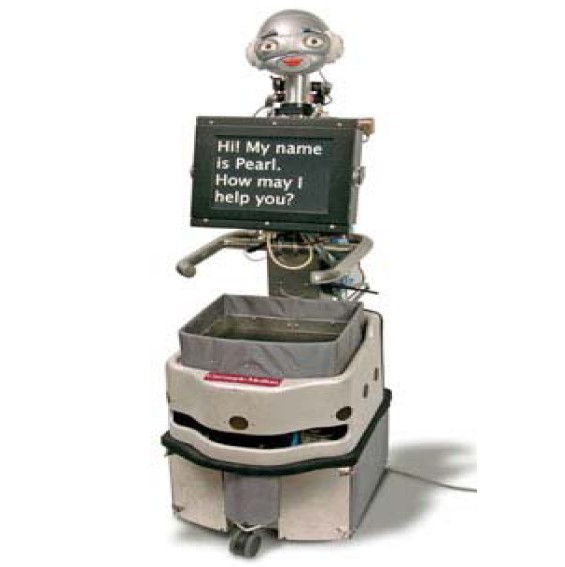 |
Domestic Robots Are |
|
| Modern medicine offers the possibility that we will all live longer and be healthier. But inevitably the last few years of most people’s lives will find them needing caretaking of some sort. As many Baby Boomers already know, taking care of aging parents is a labor-intensive task. Even a moderately disabled person can require around-the-clock care and more than one helper to move from place to place. |
|
|
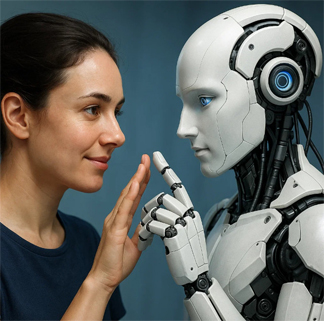 |
AI 기반 인간-로봇 상호작용의 고도 |
|
| 로봇이 단순한 도구에서 벗어나 인간과 정서적·지능적으로 상호작용하는 존재로 진화하고 있다. 과거의 산업용 로봇은 구조화된 환경에서 반복 작업을 수행하는 데 최적화되어 있었다. 그러나 오늘날 인공지능(AI, Artificial Intelligence)의 발전은 로봇을 우리의 일상에 들어오는 "사회적 존재"로 탈바꿈시키고 있다. |
|
|
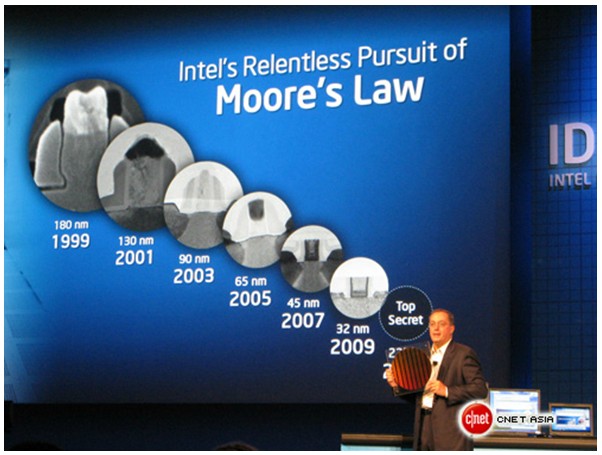 |
‘무어의 법칙’, 앞으로 계속 유효한 |
|
| 인텔(Intel)의 고든 무어(Gordon Moore)가 ‘무어의 법칙’으로 관심을 끌기 이전부터 실리콘 전자부품의 꾸준한 증가 밀도는 18개월 내지 24개월마다 컴퓨팅 가격 대비 성능을 두 배로 향상시켰다. 이 현상은 40년 이상 계속되었으며, 결국에는 멈추게 될 근본적인 물리적 한계에 도달할 것이라는 의견이 있다. 무어의 법칙, 앞으로 계속 유효할까? |
|
|
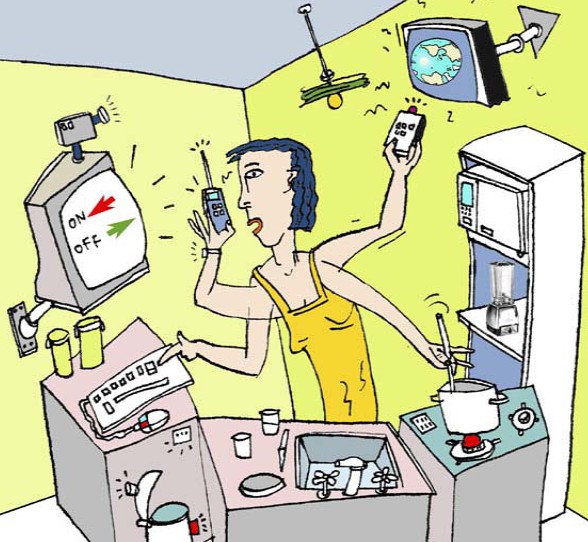 |
The Age of Watching |
|
| Back in the early 1990s, a company called Tele-TV tried to launch a new service: television programs delivered over telephone lines. The first problem was that their technology wasn’t ready for prime time. It was still pretty much dream-ware in 1993. |
|
|
 |
양자 컴퓨터, 그 기대와 현실 |
|
| 적어도 지난 15년 동안 양자 컴퓨팅은 암호화에서 의료, 금융, 인공지능에 이르기까지 세상의 모든 것을 혁신할 것이라 약속하며 차세대 메가톤급 기술로 과장되어 왔다. 양자 컴퓨팅의 실제 비즈니스 케이스는 얼마나 견고한가? 기술적 혁신의 측면에서 양자 컴퓨팅의 현 위치는 어디일까? 양자 컴퓨팅의 실제 약속이 이행되기까지 얼마나 더 기다려야 할까? |
|
|


 [138]±Ç

