|
 |
This is Not Your Fat |
|
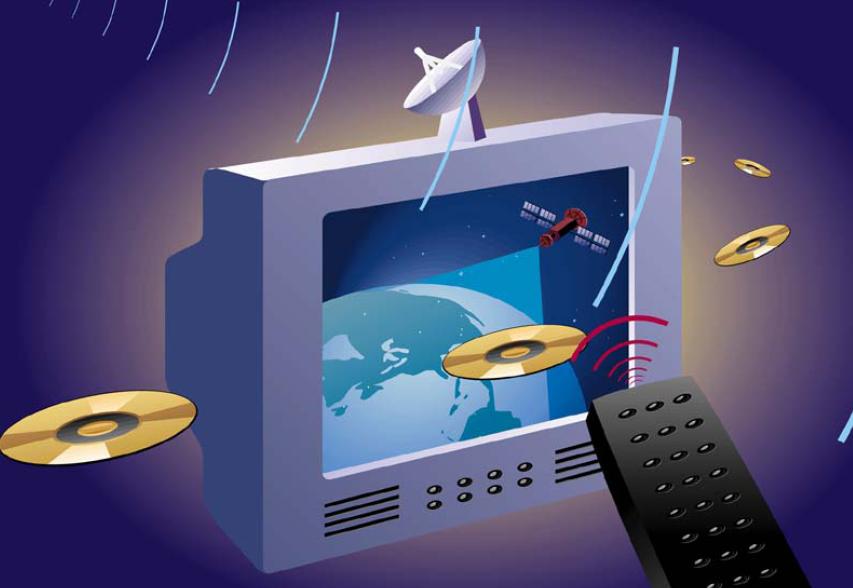
| For the past three years, the living room has been the center of the digital gold rush. Consumers have fueled the rush as they upgraded to large-screen TVs, audio systems that promise Dolby ��쐓urround sound,��� and DVD players that deliver super-crisp images. |
|
|
 |
The Post-PC Era is E |
|
| Perhaps no other invention revolutionized the world as profoundly as the personal computer. From the clunky, bug-ridden devices that were assembled from mail-order parts by a small number of geeks in garages in the 1970s ?to the sleek machines of today, the PC has become a vital tool in the work and personal lives of nearly every American. |
|
|
 |
Membership in Virtua |
|
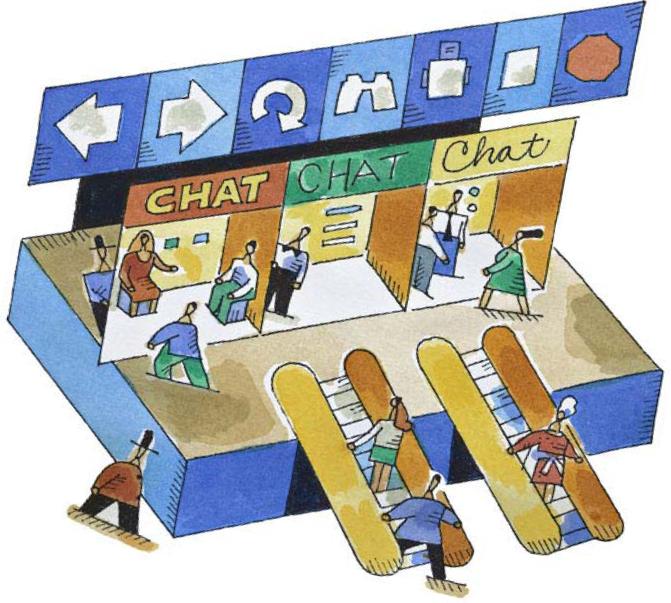
| Enormous increases in processing power and bandwidth are blurring the lines between the real world and the virtual one. As work, education, government, and entertainment have moved on-line, the barriers of space and time that formerly marked different parts of people��셲 lives have disappeared. Virtual work teams, telecommuting, long-distance learning, and electronic shopping for many have resulted in an ��쏿nything, anywhere, anytime��� lifestyle, in which formerly distinct areas of people��셲 lives are now intertwined in cyberspace. People��셲 lives and their relationships with others are increasingly taking place in this electronic reality. As a result, digital technology has transformed the personal and public lives of most Americans over the past 15 years. |
|
|
 |
Home Automation and |
|
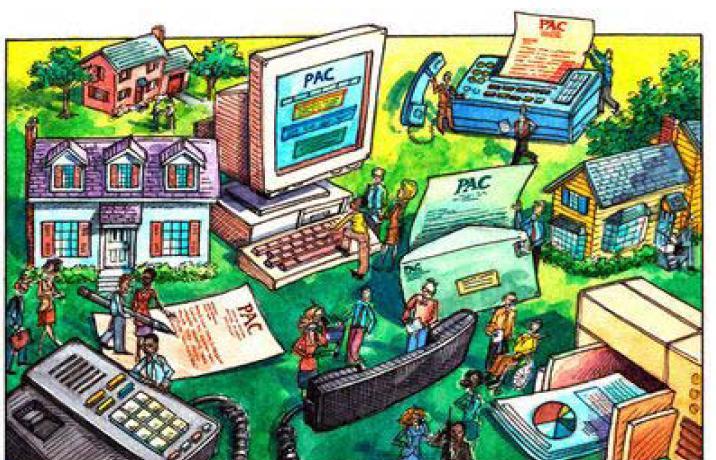
| During the PC era, the nexus of info-tech innovation was business, especially in the office. As we enter ��쐔he post-PC era,��� the nexus of innovation is shifting to the consumer, especially in the home. And this digital home is where most technological innovation will occur over the next five years in the $101 billion consumer electronics industry. |
|
|
 |
"Helicopter Parents" |
|
| It might not surprise you to hear that the average parent spends $2,200 per child each year on food, housing, education, and spending money. But, it might startle you to learn that the ��쐁hildren��� being supported are aged 18 to 34. |
|
|


 [335]권

