|
 |
Inflation Remains a |
|
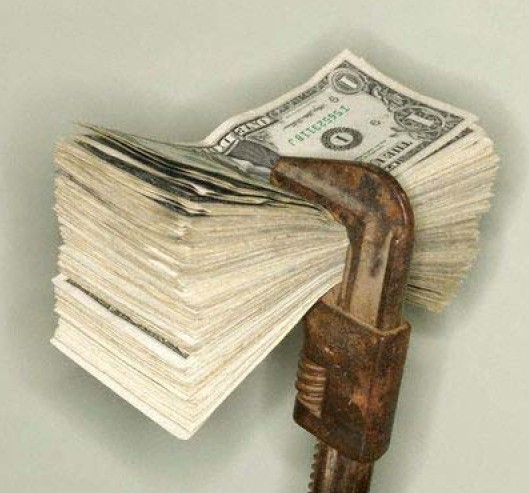
| Many Americans assume that inflation is rising. They fear that the recent increase in commodity prices will lead to higher finished goods producer prices and then higher consumer prices. This fear is intensified because people tend to notice when prices go up for products they buy most often.
As economist A. Gary Shilling points out in a recent commentary, such ��쐗idespread fears of inflation are understandable. Historically, inflation is a wartime phenomenon when government spending is huge, while deflation reigns in peacetime. Still, the nation suffered a uniquely long 60 years of war, which started with rearmament in the late 1930s, was followed by World War II, which promptly gave way to the Cold War that was augmented by the War on Poverty. So, most Americans have never experienced anything but inflation, which they believe is the way God made the world.��� |
|
|
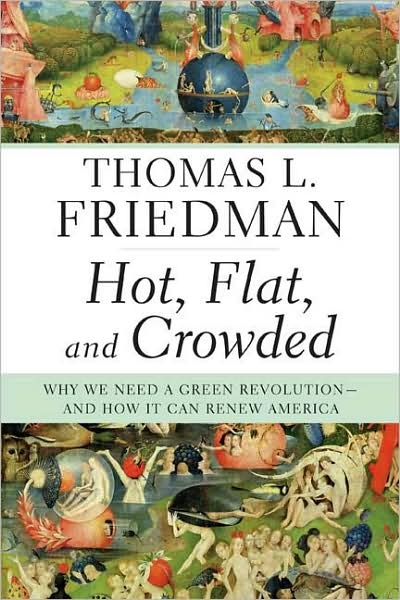 |
Hot, Flat, and Crowd |
|
| 저자 | Thomas L. Friedman |
| 출판사 | Farrar, Straus and Giroux |
|
 |
The Fifth Wave of th |
|
| The global availability of capital is converging with a number of other trends to pave the way for the final and most important phase of the information revolution. Every technological revolution goes through a series of waves or stages of creative destruction. This is as true for today��셲 computer-based revolution as it was for those based on the steam engine, or the automobile. |
|
|
 |
Open Innovation |
|
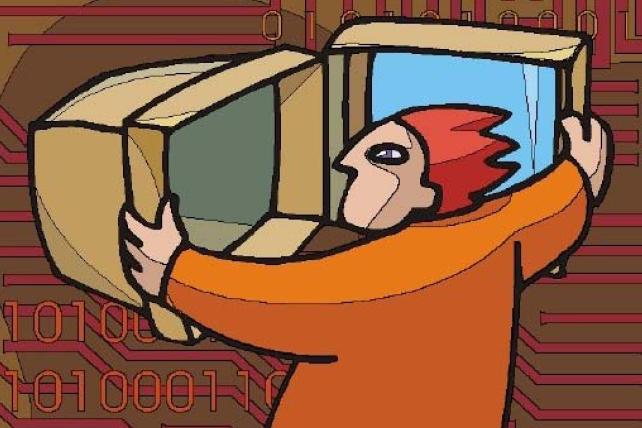
| At the same time that the open source movement is accelerating, the trend of open innovation is also picking up speed. This makes perfect sense because at a time when innovation is essential to the success of every business, few companies can afford to follow the traditional ��쐁losed innovation��� model that rejects any ideas that were ��쐍ot invented here.��� |
|
|
 |
留덉씤�뱶 �꽭�듃 |
|
| 저자 | 議� �굹�씠�뒪鍮꾪듃(�뿭�옄: 諛뺤뒳�씪쨌 �븞吏꾪솚) |
| 출판사 | 鍮꾩쫰�땲�뒪遺곸뒪 |
|


 [53]권
[53]권 

