|
 |
The God-Gulf |
|
| As we get further into the 21st century, we��셱e approaching a sociological and political ��쐔ipping point��� similar to the one that we encountered in the mid-1960s. |
|
|
 |
Share the Wealth |
|
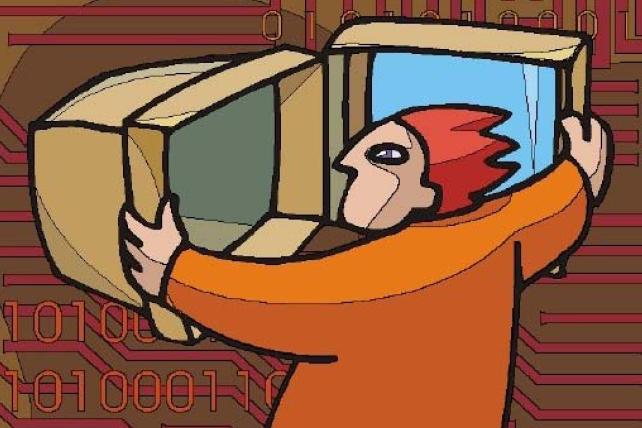
| Because it is becoming increasingly challenging to protect intellectual property, we��셱e witnessing a complete reversal: Instead of protecting new ideas and proprietary systems, some developers are now making them available to customers, suppliers, and even competitors. |
|
|
 |
Open Innovation |
|
| At the same time that the open source movement is accelerating, the trend of open innovation is also picking up speed. This makes perfect sense because at a time when innovation is essential to the success of every business, few companies can afford to follow the traditional ��쐁losed innovation��� model that rejects any ideas that were ��쐍ot invented here.��� |
|
|
 |
I Spy |
|
| Today, the basis of competitive advantage has changed. The dominant company in any industry is not necessarily the one with the greatest capital, the most efficient factories, or the best access to raw materials. Instead, winning companies are those with the richest knowledge ?knowledge about their customers, potential customers, suppliers, technologies, and competitors. |
|
|
 |
Hey What"s That |
|
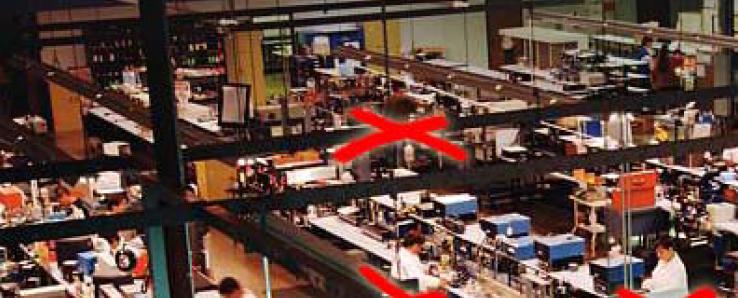
| It��셲 not the ��쐅iant sucking sound��� that Ross Perot predicted would signal the drain of millions of American jobs to Third World countries. It��셲 true that many U.S. workers in manufacturing industries have seen their jobs vanish, and that the U.S. workforce has been declining for more than three years. But the problem isn��셳 foreign competition with cheaper labor. |
|
|


 [416]권

